
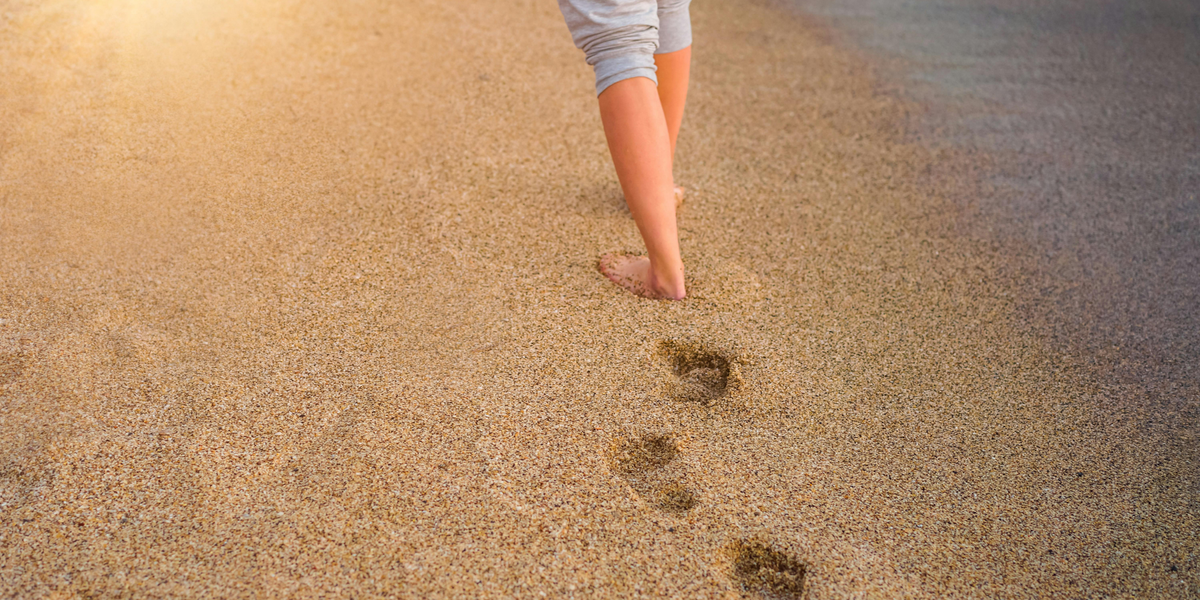
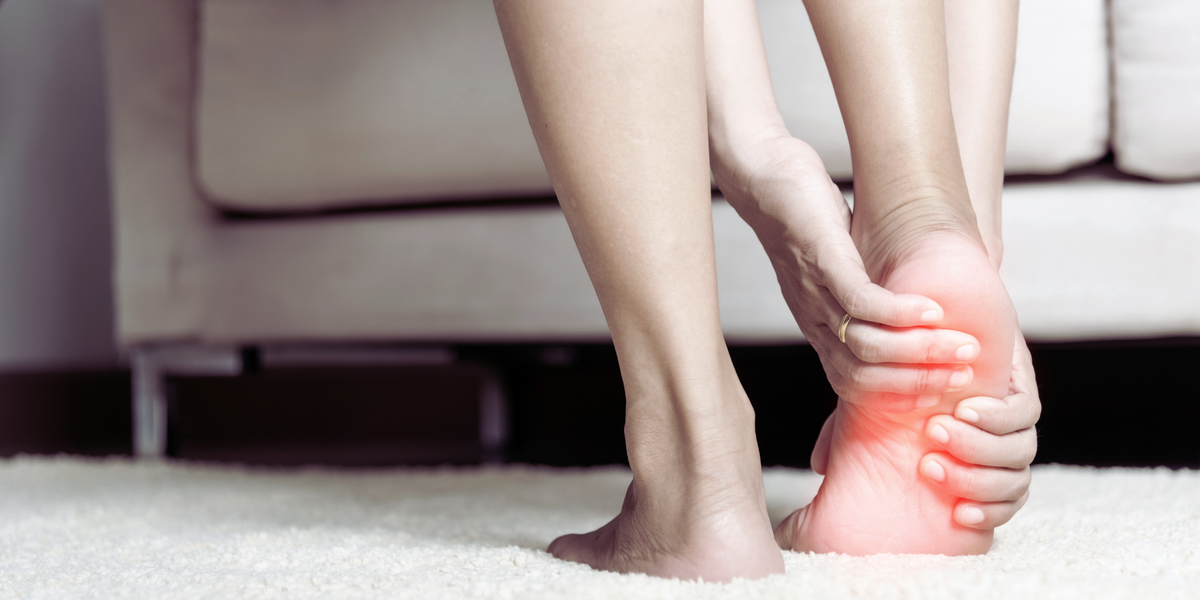
Flat feet, or fallen arches, affect nearly 30% of the population and are strongly linked to musculoskeletal strain. When the arch collapses inward, the foot loses its natural shock-absorbing capacity. This misalignment increases pronation, altering gait mechanics and shifting stress upward into the ankles, knees, and even the lower back. Over time, this can contribute to conditions such as plantar fasciitis, shin splints, and chronic joint discomfort.
How Flat Feet Affect Alignment and Daily Comfort
Clinical research consistently highlights the role of orthotic insoles in managing flat feet. Properly designed insoles redistribute plantar pressure, restore arch integrity, and promote more efficient biomechanics. By encouraging neutral alignment, they reduce the compensatory movements that often lead to pain and fatigue.
Groov insoles integrate biomechanical knowledge with advanced scanning technology to create support that adapts to the individual foot. Unlike generic inserts, they map the unique contours of each foot, ensuring consistent pressure distribution and targeted arch reinforcement. The result is a measurable reduction in strain during standing, walking, or prolonged weight-bearing activities.
The Role of Groov Insoles in Reducing Flat Feet Pain
For individuals living with flat feet, the evidence is clear: support is not optional, it is foundational. Proper insoles not only alleviate discomfort but also help preserve long-term joint health and enhance mobility. This shift from reactive pain management to preventive care is exactly what is achieved with Groov insoles.


Leave a comment
This site is protected by hCaptcha and the hCaptcha Privacy Policy and Terms of Service apply.